Empowering Future Generations with Engaging Coloring Books

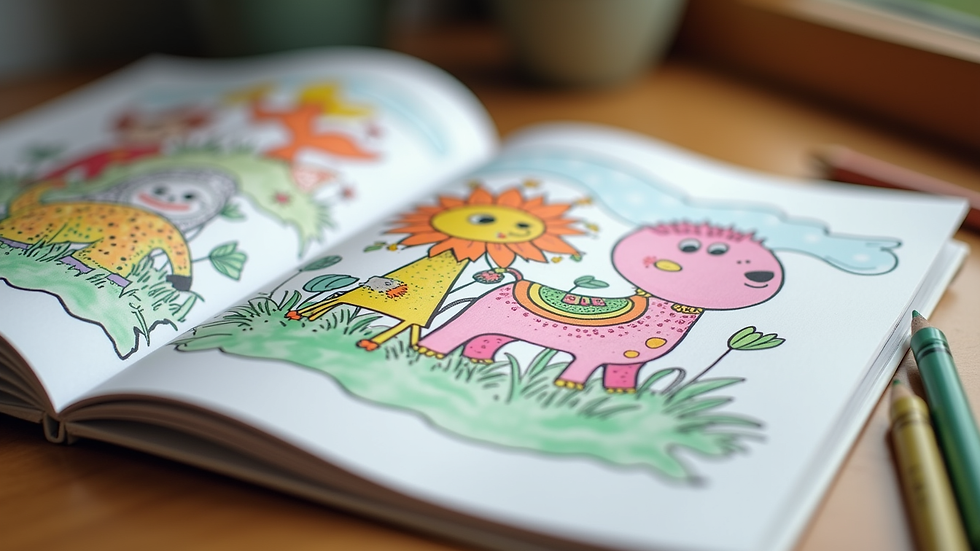
Coloring books are not just a pastime for children; they are powerful tools for learning and development. In an age where digital distractions are rampant, coloring books offer a tangible way for kids to express their creativity, improve their motor skills, and even learn about the world around them. This blog post explores how engaging coloring books can empower future generations, providing them with the skills and confidence they need to thrive.
The Importance of Creativity in Child Development
Creativity is a crucial component of child development. It fosters problem-solving skills, encourages self-expression, and enhances emotional intelligence. Engaging in creative activities like coloring can significantly impact a child's cognitive and social development. Here are some key benefits:
Improved Motor Skills: Coloring helps children develop fine motor skills as they learn to control their hand movements.
Enhanced Focus and Concentration: The act of coloring requires focus, which can help improve attention spans.
Emotional Expression: Coloring allows children to express their feelings and emotions in a safe and constructive way.
How Coloring Books Foster Learning
Coloring books can be more than just fun; they can also be educational. Many coloring books are designed with themes that teach children about various subjects, such as:
Nature and Animals: Books that feature different animals and their habitats can teach children about biodiversity and environmental conservation.
Cultural Awareness: Coloring books that showcase different cultures can help children learn about diversity and inclusivity.
STEM Concepts: Some coloring books incorporate science, technology, engineering, and math concepts, making learning fun and interactive.
Example: The Benefits of Themed Coloring Books
For instance, a coloring book focused on space can introduce children to the solar system. As they color planets and stars, they can learn about their characteristics, distances from the sun, and even the concept of gravity. This hands-on approach makes learning more engaging and memorable.
The Role of Coloring Books in Emotional Development
Coloring can also play a significant role in emotional development. It provides a calming effect, helping children manage stress and anxiety. Here are some ways coloring books can support emotional well-being:
Mindfulness: Coloring can be a meditative activity, allowing children to focus on the present moment and reduce anxiety.
Self-Regulation: As children choose colors and create their designs, they learn to make decisions and express their preferences.
Confidence Building: Completing a coloring page can give children a sense of accomplishment, boosting their self-esteem.
Example: Using Coloring for Emotional Expression
Consider a child who is feeling overwhelmed. Providing them with a coloring book can serve as a coping mechanism. As they immerse themselves in coloring, they may find it easier to articulate their feelings or simply enjoy a moment of peace.
Engaging Coloring Books for Different Age Groups
Not all coloring books are created equal. Different age groups require different levels of complexity and themes. Here’s a breakdown of suitable coloring books for various ages:
Toddlers (Ages 1-3)
Simple Shapes and Animals: Books with large, simple images allow toddlers to practice their motor skills without frustration.
Interactive Elements: Some books include textures or flaps that engage toddlers further.
Preschoolers (Ages 4-5)
Themed Coloring Books: Books featuring popular characters or themes (like dinosaurs or fairytales) can capture their interest.
Color Recognition: Books that encourage color matching can help preschoolers learn their colors.
Early Elementary (Ages 6-8)
Complex Designs: As children grow, they can handle more intricate designs that challenge their creativity.
Educational Themes: Books that incorporate math problems or science facts can make learning enjoyable.
Older Children (Ages 9+)
Artistic Expression: Coloring books that allow for more artistic freedom can inspire older children to develop their unique styles.
Mindfulness and Relaxation: Books designed for stress relief can appeal to pre-teens and teens.
The Benefits of Digital Coloring Books
In addition to traditional coloring books, digital coloring apps have gained popularity. These apps offer unique advantages:
Accessibility: Digital coloring can be accessed anywhere, making it convenient for families on the go.
Variety: Many apps offer a wide range of designs and themes, keeping children engaged.
Interactive Features: Some apps include animations or sound effects, enhancing the coloring experience.
Example: Popular Digital Coloring Apps
Apps like "Colorfy" and "Recolor" allow children to color digitally while also providing educational content. These apps can teach children about color theory and artistic techniques, making them valuable tools for learning.
Encouraging Family Bonding Through Coloring
Coloring can also be a wonderful family activity. It provides an opportunity for parents and children to bond while engaging in a creative task. Here are some ways to make coloring a family affair:
Family Coloring Nights: Set aside time each week for family coloring sessions. This can be a fun way to unwind and connect.
Collaborative Projects: Work on a large coloring poster together, allowing everyone to contribute their ideas and creativity.
Share and Discuss: After coloring, take time to share the finished pieces and discuss the choices made during the process.
Choosing the Right Coloring Books
When selecting coloring books for children, consider the following factors:
Interests: Choose themes that resonate with the child's interests, whether it's animals, space, or fantasy.
Skill Level: Ensure the complexity of the designs matches the child's age and skill level.
Quality: Look for books with thick pages that can handle various coloring materials, from crayons to markers.
Conclusion
Engaging coloring books are more than just a source of entertainment; they are valuable tools for empowering future generations. By fostering creativity, enhancing learning, and supporting emotional development, coloring books can play a significant role in a child's growth. As parents, educators, and caregivers, we can harness the power of coloring to provide children with the skills and confidence they need to thrive in an ever-changing world.
Encourage the children in your life to pick up a coloring book today and watch as they explore their creativity and learn about the world around them.

Comments